

 By
By Education systems around the world are evolving rapidly in response to technological innovation, workforce transformation, and changing learner expectations. Traditional classroom models are gradually expanding into flexible, digital, and skills-focused learning environments that prepare students for a globalized future.
Understanding emerging trends in global education helps educators, institutions, and learners adapt to new opportunities and challenges shaping the next generation of learning.
The Shift Toward Technology-Integrated Learning
Technology is becoming a central component of education across all levels. Digital platforms are helping schools and universities deliver flexible and accessible learning experiences.
Key developments include:
- Online learning platforms supporting remote education
- Interactive smart classroom systems
- Cloud-based resource sharing
- Virtual simulations for complex subjects
- Digital collaboration environments
Technology integration is no longer optional; it is becoming essential for modern education systems.
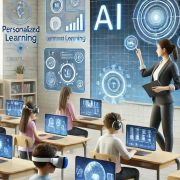
Personalized Learning Becoming a Standard Approach 🎯
Education is moving away from one-size-fits-all instruction toward customized learning pathways that match individual student needs.
Personalized learning supports:
- Self-paced progress
- Adaptive assessments
- Targeted feedback
- Individual learning goals
- Flexible curriculum pathways
Students benefit from instruction that reflects their strengths, interests, and learning styles.
Growth of Hybrid Learning Models
Hybrid learning combines face-to-face instruction with digital learning tools to create flexible learning environments.
This model offers advantages such as:
- Increased accessibility for remote learners
- Flexible scheduling options
- Better use of classroom time for discussions and collaboration
- Expanded access to global learning resources
Hybrid systems are expected to remain a permanent feature of global education strategies.
Emphasis on Skills-Based Education Over Memorization 🧠
Modern education systems are placing greater emphasis on developing practical skills rather than focusing solely on theoretical knowledge.
Important future-ready skills include:
- Critical thinking
- Communication abilities
- Digital literacy
- Problem-solving techniques
- Creativity and innovation
These competencies help students adapt to changing career landscapes.
Expansion of Artificial Intelligence in Education 🤖
Artificial intelligence is supporting both teaching and learning processes in meaningful ways.
AI-driven educational tools can:
- Provide personalized learning recommendations
- Automate grading tasks
- Identify learning gaps early
- Support language translation in classrooms
- Improve accessibility for diverse learners
These tools allow educators to focus more on mentorship and guidance.
Increasing Access to Global Learning Opportunities 🌐
Students today can participate in learning experiences beyond geographical boundaries.
Global access improvements include:
- International online courses
- Cross-border academic collaborations
- Virtual exchange programs
- Global research partnerships
This connectivity encourages cultural understanding and international cooperation.
Focus on Lifelong Learning and Continuous Skill Development
Education is no longer limited to childhood and early adulthood. Continuous learning is becoming necessary for career growth and personal development.
Lifelong learning trends include:
- Micro-credential programs
- Professional certification courses
- Flexible adult education opportunities
- Industry-linked training platforms
Individuals increasingly update their knowledge throughout their careers.
Greater Attention to Mental Health and Student Well-Being 💬
Educational institutions are recognizing the importance of emotional well-being in student success.
Support strategies include:
- Counseling services
- stress management programs
- peer support initiatives
- balanced academic workloads
- inclusive learning environments
Healthy learning environments improve both academic performance and personal development.
Integration of Sustainability Education 🌱
Environmental awareness is becoming an important component of modern curricula.
Sustainability education encourages students to understand:
- climate challenges
- responsible resource use
- environmental protection strategies
- sustainable innovation practices
These lessons prepare learners to contribute responsibly to global development goals.
Strengthening Teacher Roles in a Technology-Driven Era
Even as technology becomes more advanced, teachers remain central to effective education systems.
Future educator roles include:
- guiding personalized learning journeys
- mentoring student development
- supporting collaborative learning environments
- integrating digital tools effectively
- encouraging critical thinking
Teachers continue to shape meaningful learning experiences beyond digital platforms.
The Long-Term Impact of Emerging Education Trends
Global education is moving toward flexibility, inclusivity, and innovation. Technology-supported learning environments, personalized instruction, and international collaboration are shaping how knowledge is shared worldwide.
As these trends continue to develop, education systems will increasingly prepare learners not only for employment but also for responsible global citizenship.
Frequently Asked Questions (FAQs)
1. How will global education trends influence developing countries?
Improved digital access and online learning platforms can help expand educational opportunities where traditional infrastructure is limited.
2. Will physical classrooms disappear in the future?
No. Physical classrooms will continue to exist but will work alongside digital learning environments.
3. What role do governments play in shaping future education systems?
Governments support curriculum reforms, digital infrastructure investment, and policies that improve access and quality.
4. Are language barriers becoming less significant in global education?
Yes. Translation technologies and multilingual learning platforms are helping students access content more easily.
5. How are universities adapting to future education trends?
Many universities are introducing flexible degree formats, online programs, and industry collaboration initiatives.
6. Can global education trends improve employment readiness?
Yes. Skills-focused learning prepares students for real-world workplace expectations.
7. How can students prepare themselves for future education changes?
Students can develop digital literacy, stay open to new learning methods, and engage in continuous skill development throughout their academic journey.








Comments