

 By
By Student engagement plays a critical role in academic success. When learners actively participate in lessons, they retain information better, develop stronger skills, and stay motivated. Digital tools are transforming classrooms by making learning more interactive, personalized, and accessible.
From collaborative platforms to multimedia learning environments, technology helps educators create experiences that encourage curiosity and participation.
Understanding Student Engagement in Modern Education
Student engagement refers to the level of attention, curiosity, interest, and involvement learners show during the learning process. Traditional teaching methods often relied heavily on passive listening, but digital tools now support active participation.
Engagement typically includes three important dimensions:
- Behavioral engagement through participation in activities
- Emotional engagement through interest and motivation
- Cognitive engagement through critical thinking and problem-solving
Digital technologies support all three areas effectively.
Interactive Learning Platforms Encourage Active Participation 📱
Interactive platforms allow students to move beyond passive learning by becoming active contributors during lessons.
These platforms support:
- Real-time quizzes and polls
- Live discussion boards
- Instant feedback activities
- Gamified learning experiences
Interactive learning helps students remain attentive and involved throughout the lesson rather than simply observing.
Multimedia Content Improves Understanding and Retention 🎥
Visual and audio resources help students grasp complex topics more easily than text-only explanations.
Digital classrooms often include:
- Educational videos
- Animated demonstrations
- Infographics and visual summaries
- Virtual simulations
Multimedia content supports different learning styles and helps learners connect ideas more effectively.
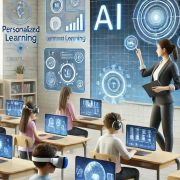
Personalized Learning Paths Support Individual Needs 🎯
Digital tools allow teachers to adapt instruction according to each student’s progress and learning speed.
Personalization benefits include:
- Adjustable difficulty levels
- Self-paced learning modules
- Targeted practice exercises
- Progress tracking dashboards
Students gain confidence when lessons match their abilities and interests.
Collaboration Tools Strengthen Teamwork Skills 🤝
Technology enables students to collaborate beyond physical classroom boundaries.
Collaboration tools support:
- Shared documents and presentations
- Group discussion forums
- Peer review activities
- Virtual teamwork projects
Working together encourages communication skills and deeper understanding of topics.
Gamification Increases Motivation and Participation 🎮
Gamification introduces game-like elements into education, making learning more enjoyable and engaging.
Common gamification features include:
- Achievement badges
- Leaderboards
- Points-based progress systems
- Challenge-based learning activities
These elements encourage students to stay focused and motivated during lessons.
Real-Time Feedback Improves Learning Outcomes 📊
Immediate feedback helps students identify mistakes and improve performance quickly.
Digital tools provide:
- Automated quiz results
- Performance analytics
- Instant correction suggestions
- Adaptive learning recommendations
Quick responses support continuous improvement and reduce confusion.
Remote Learning Access Expands Educational Opportunities 🌐
Digital platforms allow students to participate in learning regardless of their location.
Remote learning advantages include:
- Flexible scheduling
- Access to recorded lectures
- Online resource libraries
- Virtual classroom participation
This flexibility ensures learning continues even outside traditional classroom settings.
Teacher Efficiency Improves Classroom Engagement Strategies
Digital tools not only support students but also help teachers manage classrooms more effectively.
Educators benefit from:
- Automated grading systems
- Lesson planning tools
- Attendance tracking software
- Student progress monitoring dashboards
These efficiencies allow teachers to spend more time supporting learners directly.
Preparing Students for a Digital Future
Technology-rich learning environments help students develop essential digital literacy skills required in modern careers.
Students gain experience with:
- Online collaboration platforms
- Research tools
- Presentation software
- Digital communication methods
These abilities prepare learners for future academic and professional environments.
The Growing Role of Digital Tools in Education
Digital tools are reshaping education by making learning more dynamic, inclusive, and interactive. As technology continues to evolve, classrooms will increasingly focus on participation, collaboration, and personalized learning experiences.
Students who engage with digital learning environments often develop stronger confidence, independence, and curiosity about their education.
Frequently Asked Questions (FAQs)
1. Can digital tools improve participation among shy students?
Yes. Online discussion boards and anonymous response systems allow shy students to share ideas more comfortably.
2. Do digital tools replace traditional teaching methods completely?
No. They are designed to support and enhance traditional teaching rather than replace it entirely.
3. How do digital tools help students manage their study time better?
Many platforms include planners, reminders, and progress trackers that help students stay organized.
4. Are digital tools useful for younger students as well as older learners?
Yes. Age-appropriate platforms support engagement across primary, secondary, and higher education levels.
5. Can digital learning tools support students with different learning abilities?
Yes. Adaptive technologies adjust content presentation based on individual learning needs.
6. Do digital tools encourage independent learning habits?
Yes. Students can explore resources, complete activities, and monitor progress independently using digital platforms.
7. Is internet access necessary for all digital learning tools?
While many tools require connectivity, some offline-compatible educational applications are also available.







Comments